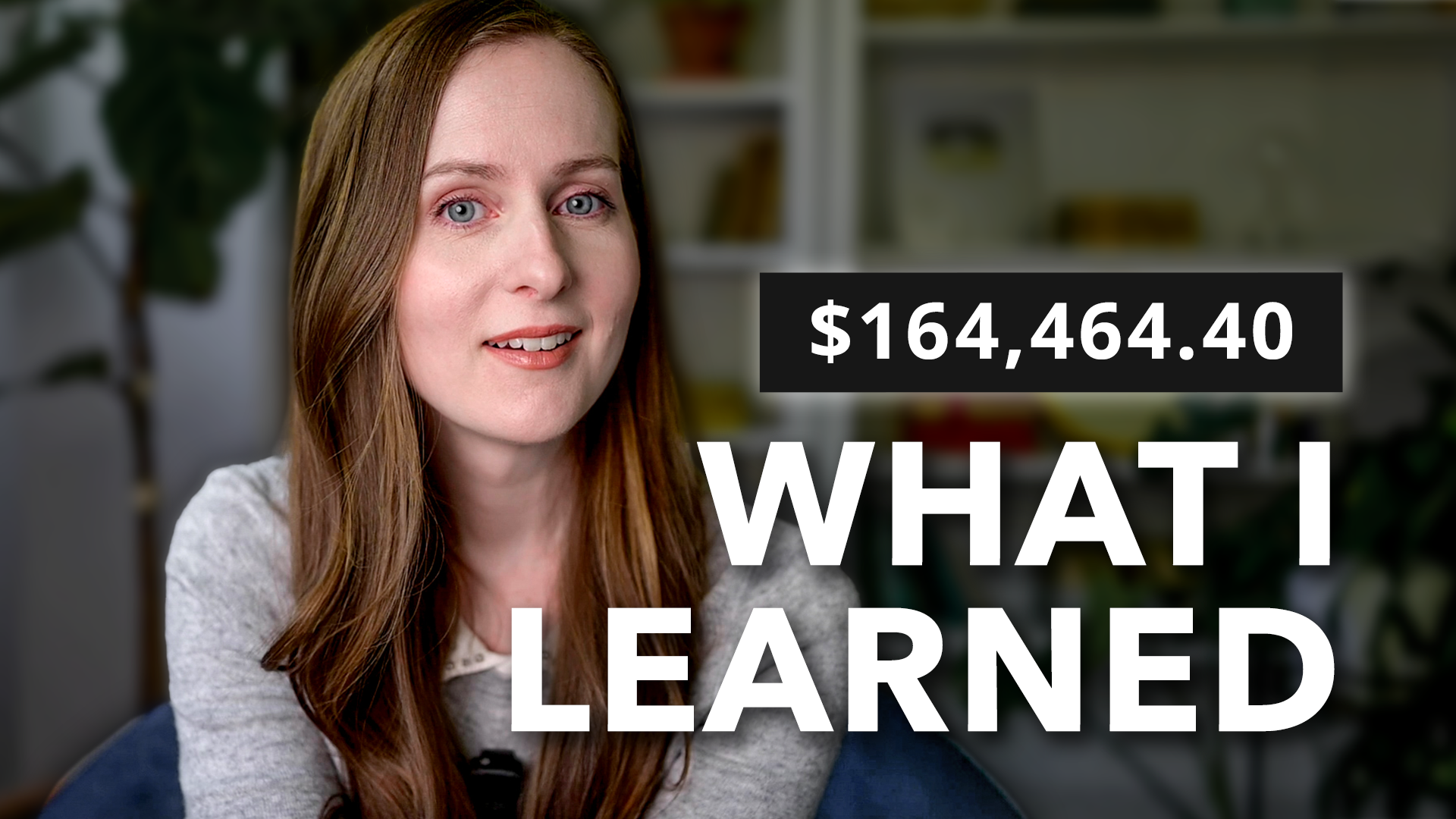
Your YouTube views are about to jump, but it’s NOT because your videos necessarily got better... or because the algorithm suddenly decided to like you....
It’s because, on August 24, 2026, YouTube changed their official definition of a “view.”
It's the biggest change to that number since the platform started 18 years ago, and we definitely need to talk about it.
What used to count as a view
Ever since YouTube first launched, a view only counted once someone watched for at least three seconds. That applied to every long-form video on the platform.
Shorts used to work the same way - three seconds, then the view-count ticked up. But… that put YouTubers at a disadvantage, because on TikTok and Instagram Reels, a view counted the second the video started playing, even if someone scrolled past it in under a second.
That made YouTube's numbers look smaller than TikTok's and Instagram's, even when the actual audience wasn't smaller at all. And obviously YouTube didn't love that. So, about a year ago, they changed how Shorts views are counted to match the other platforms - counting from the very first frame.
Why YouTube has changed… again
Here's the part that's new. In a recent article titled "An update on how we count public views across YouTube," the platform announced they're now applying that same standard to every video format. Not just Shorts… every video.
Their reasoning? "We're aligning all other video formats to this same standard for consistency across the platform."
What actually changed on August 24
Starting August 24, 2026, a view counts the moment a video begins to play - from the very first frame. That's true whether someone clicks the video and lands on the watch page, or just moves their mouse over a thumbnail and it starts to autoplay.
BUT, your old view count didn't disappear
Here's the good news, if you actually want to know how your videos are performing: YouTube is keeping the original metric too. They're calling it "engaged views," and you can find it in YouTube Analytics under advanced mode.
So if you want to see how many people watched for more than a split second, that number still exists. It's just not the one under your video anymore. And it's not the headline number in your regular analytics dashboard either. Both of those will now show the new, more inclusive count - the one that includes every view, even the ones that lasted a single frame.
Does this change your monetization?
No. And this is worth being clear about, because the two questions people ask first are whether this gets their channel monetized faster, and whether it means more money.
Getting monetized depends on subscriber count and watch hours, not view count. It never has been, and this change doesn't touch that at all.
As for how much you actually earn - YouTube says this directly: "This change will not impact creators earnings or how they become eligible for the YouTube partner program." Creator earnings are based on engaged views and engaged watch hours. Which, based on how YouTube describes it, sounds like the same three-second-plus counting method they've always used for revenue.
So your view count is about to go up, but your revenue isn't.
My honest take on the reasoning & change
YouTube wrapped up their announcement by saying this gives creators "a clearer picture of their overall exposure" and makes it easier to "confidently express their true scale and value to brand partners and sponsors."
I get why they're framing it that way. But a view that lasts less than three seconds doesn't help anyone, so counting them is pretty pointless.
What I actually care about is, firstly, impressions - how many people my video got suggested to in the first place. And then, of those people, how many watched for at least three seconds. Anything shorter than that and they didn't really watch the video, so it’s not a number I put any real weight on.
Where this change will have a somewhat helpful impact is brand deals. Before this update, a YouTuber's numbers could look smaller next to a TikToker's or an Instagram creator's, even when the actual audience and impact were comparable. Now those numbers will be on the same scale. That means that when a brand is deciding between partnering with a YouTuber or a TikTok creator, they'll finally be comparing apples to apples.
And that is a real win for creators trying to land partnerships. It just isn't a sign that your specific video did better than it actually did.
What this means for your own numbers
Expect your views to climb - possibly a lot - over the next couple of months as this rolls out across every new video published.
How much depends on your niche. If your videos are mostly found through search, you'll probably see a smaller jump. People searching for a specific topic already intend to watch, so you were less likely to be picking up a flood of one-second autoplay views anyway.
If your channel leans more on suggested content - videos recommended in the sidebar or on the homepage - expect a bigger jump. Those are the views most likely to come from someone's mouse landing on your thumbnail for a second before they click something else entirely.
The most important thing to know: you can't compare your old and new numbers
This is the most important thing to understand and remember going forward: Any video published after August 24, 2026 has had its views inflated to some degree compared to videos published before that date. That's not a knock on the newer video, but it does mean that their stats were measured with different measuring sticks and really can’t be compared.
So when you're looking back at your own channel trying to figure out what's working - what topics are resonating with your audience, what you should make next - take your comparison with a grain of salt. A newer video with higher views doesn't necessarily mean the topic performed better. It might just mean it was published after the rules changed.
The bottom line
Your views are about to go up, but it’s not a signal your channel is suddenly taking off - it's a signal YouTube changed how it's counting. The number that still tells you the truth is engaged views, hidden in your analytics under advanced mode.

Need to grow your audience?
If you'd like the time you're already putting into your content and your business to actually start paying off, I'd love for you to apply to work with me: https://gillianperkins.com/apply-to-grow